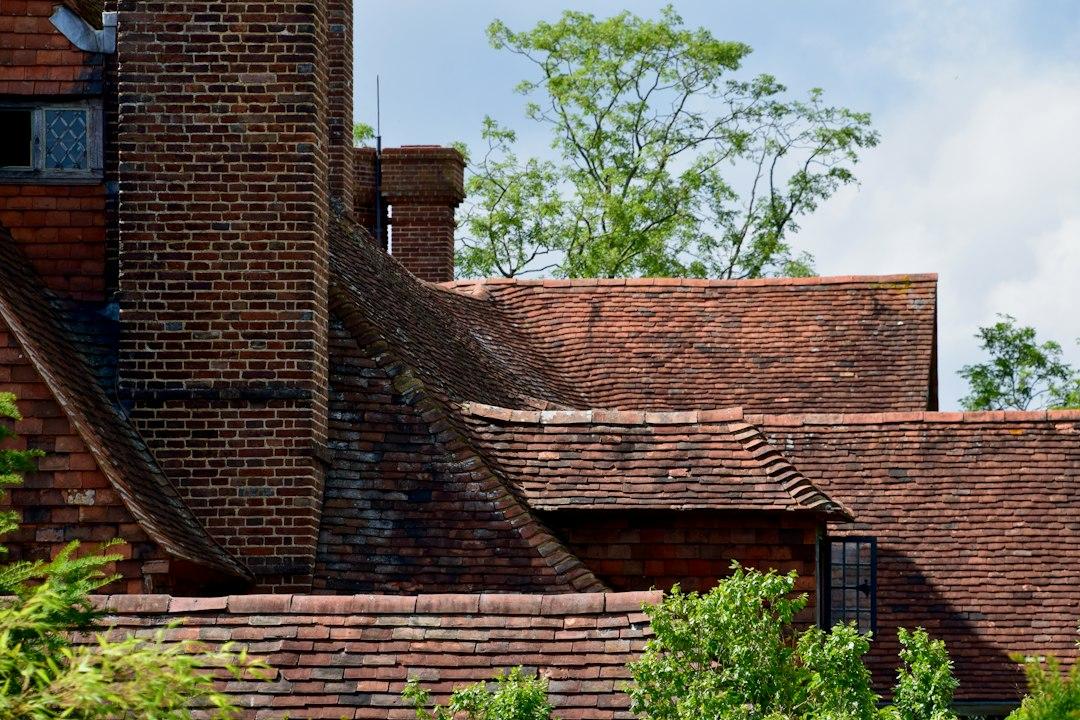
Two quotes, one chimney
Owners often end up holding two liner quotes for the same chimney that sit thousands of dollars apart. Usually the two are not describing the same job. One names a diameter, a grade of steel, a length, insulation and a top plate; the other says "install liner" and gives a total. The cheaper one is not always wrong, but you cannot tell from the page.
This post is for owners in San Juan Capistrano and nearby who are about to pick someone to reline a flue. It covers what a full scope should say and what to watch for.
Start with footage
Nobody can scope a liner properly without seeing inside the flue. A quote built from a glance up the firebox, or from the roof with a flashlight, misses offsets, fallen tile and narrowed passages that change the pipe, the method and the price. Ask whether the quote rests on a camera run, and ask to see the video. A crew that films the flue will be glad to show it.
If you already have a Level 2 report from a recent home sale, its footage may be enough to plan from. We look at it and tell you whether it shows what we need.
What the written scope should name
- The appliance. Open wood fireplace, insert, stove, gas heater. Each one sets the liner size.
- The diameter, and how it was chosen. It should match the appliance's listed outlet or, for an open fireplace, a size worked out from the opening and the chimney height.
- The pipe. Flexible or rigid stainless, and the alloy grade for the fuel.
- The length, measured rather than guessed from the street.
- Insulation, where it goes and why.
- The bottom. How the liner connects: a tee, an adapter, a connector, a rebuilt smoke chamber surface.
- The top. A plate sealing the old flue, and a cap.
- Work needed first. Sweeping, crown repair, debris removal, each listed apart.
- Paperwork. What you receive at the end: a record of what was installed, and stills or video of the finished liner.
Warning signs
- A price over the phone with no visit.
- No size on the quote, or a size that does not match the appliance's manual.
- A short length of pipe pushed into the bottom of an old flue and called "a liner." Inserts fitted that way in years past are a common cause of poor draft and heavy deposits.
- Aluminum pipe offered for a wood or oil appliance.
- Pressure to sign at the door.
- Nothing said about what happens at the crown.
None of these proves a poor crew. Each is a reason to ask a direct question and expect a direct answer.
What decides the price
The height of the chimney, the diameter, flexible or rigid pipe, insulation, the work at the top and bottom, and the access on the roof. For that reason we publish no single liner figure. The figures we do publish around a liner job: a Level 2 scan at $370, sweeping from $400, and a gas insert with its venting at $2,650 to $5,300 installed. A cap is quoted on site.
Name the appliance the flue will serve and roughly how old the chimney is, and we will set up the camera visit the written scope is built from.
How a reline goes with us
We film the flue, measure, and write the scope with every item listed above. On the day, the room is covered and the fireplace opening is closed off. We lower the liner from the roof, join it at the bottom, insulate it where the scope says, and seal it at the crown with a top plate and cap. Then the camera goes down once more so you can see the new pipe in place, and those stills go in your file with the sizes and lengths.
Near the coast in San Clemente and San Juan Capistrano, damp salty air works on anything that rusts, so the top plate and cap are stainless. Inland in Mission Viejo, summer heat and the odd Santa Ana week dry the masonry out, and we check the crown for the cracks that cycle leaves.
Asking us to quote
We are glad to be one of your quotes. If another scope is already in front of you, we will go through it line by line against ours so you can see exactly where they differ, and why.
Where cheap relines go wrong
Most liner trouble we are called back to see was not caused by bad steel. It comes from the parts of the job nobody checks once the crew has left the roof:
- A liner that stops short. Pipe that ends in the smoke chamber or partway up leaves the exhaust to finish its trip through the old cracked tile.
- No seal at the top. Without a plate closing the old flue around the pipe, rain and warm exhaust both find the gap.
- A crushed run. Flexible pipe forced past an offset can kink, and a kink narrows the passage the appliance needs.
- The wrong connection. A liner sized right but joined loosely at the bottom lets smoke spill back into the firebox area.
A camera run after the install catches every one of these. That is why our scope ends with footage of the finished pipe, and why we suggest asking any crew you hire whether theirs does too.
See chimney liner installation, what a stainless liner costs and reline or rebuild.
Next
Compare scopes on what they name, not on the total. When you want ours beside the others, ask for it on the contact page.
See the Flue Before You Decide
Beckham Chimney Experts sends a camera up the full run, writes up each fault with stills and prices every fix on its own line. We work from San Juan Capistrano across San Clemente, Laguna Niguel, Mission Viejo and nearby Orange County cities.