Two failures that sound the same
A buyer's report says "cracked flue." A sweep mentions broken tile near the top. The owner hears one problem. On the camera, though, a crack can belong to the tile alone, or it can be a sign that the brick around the tile is failing too. Those are different jobs. A liner fixes the first. The second needs masonry work, and some chimneys need both.
This post compares the two for chimneys in San Juan Capistrano and nearby, and explains how the footage decides between them.
Where the crack lives
The flue tile is a lining. The brick around it is the structure. When we watch the video, the question is which of the two is damaged.
- Tile cracked, brick sound. Hairlines in a few sections, open joints, a chipped corner. From the roof, the stack stands straight, the mortar holds and the crown is whole. That is a reline.
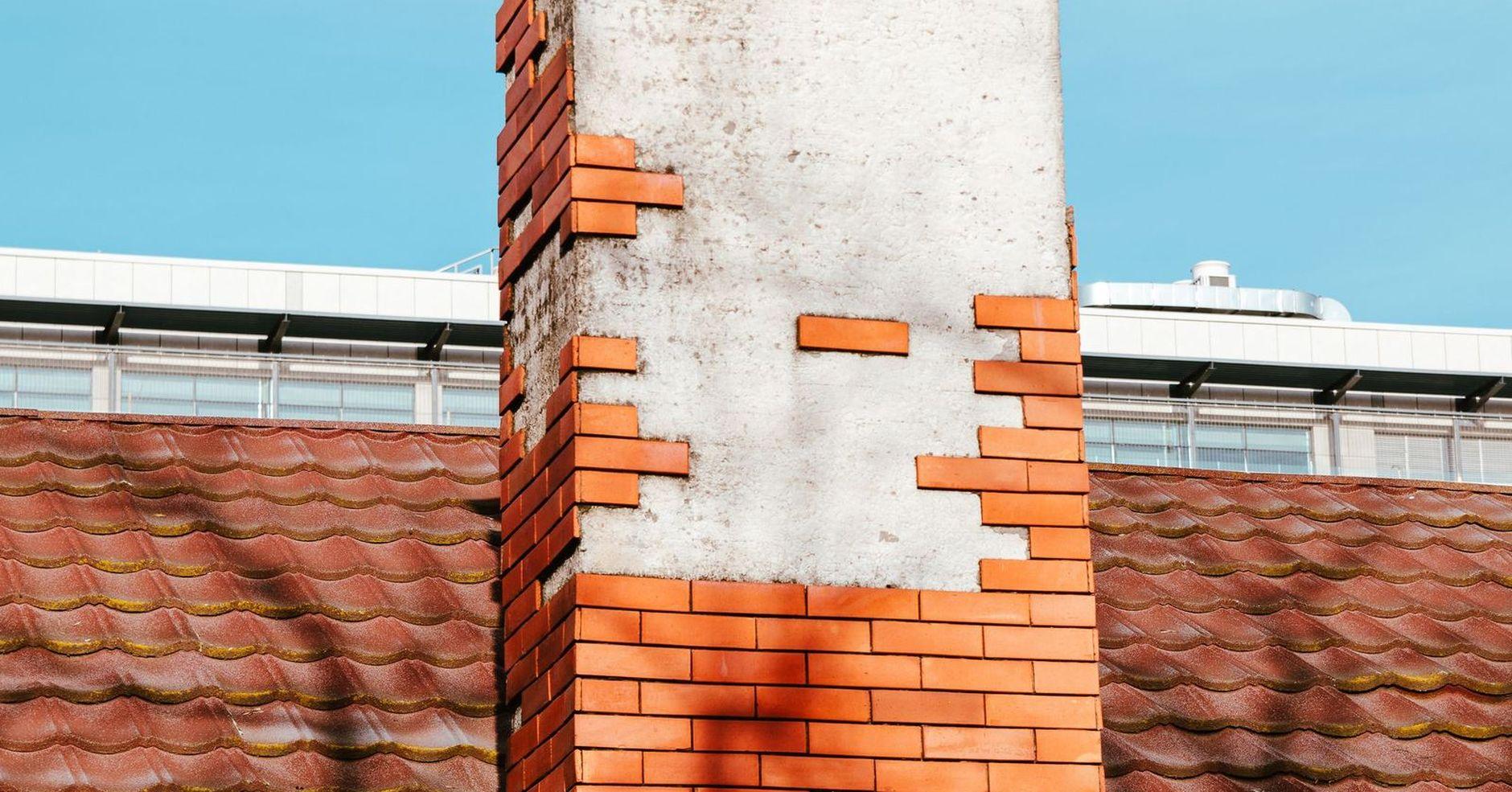
- Tile shifted, brick moved. Sections step sideways on the screen and, outside, the stack leans or has a crack running through the brick near the roofline. The tile moved because the brick moved. A liner alone would leave a loose stack on the roof.
- Tile missing, brick crumbling. Old chimneys with soft mortar sometimes lose the inner face of the brick. On the screen the walls look rough and sandy. A liner restores the passage, but the brick may need repointing or rebuilding as well.
When a liner is enough
A stainless liner runs the full height inside the old tile. It gives the smoke or exhaust a sound passage of the right size, and the old tile becomes a shell around it. For a cracked flue in sound brick it is the most direct repair: no masonry comes down, the roofing is barely touched, and the work happens from the top.
A liner also lets an owner change what the chimney serves. Sized to a gas insert, a wood stove or a water heater, it suits the new appliance in a way the original tile never did.
When brick has to come down
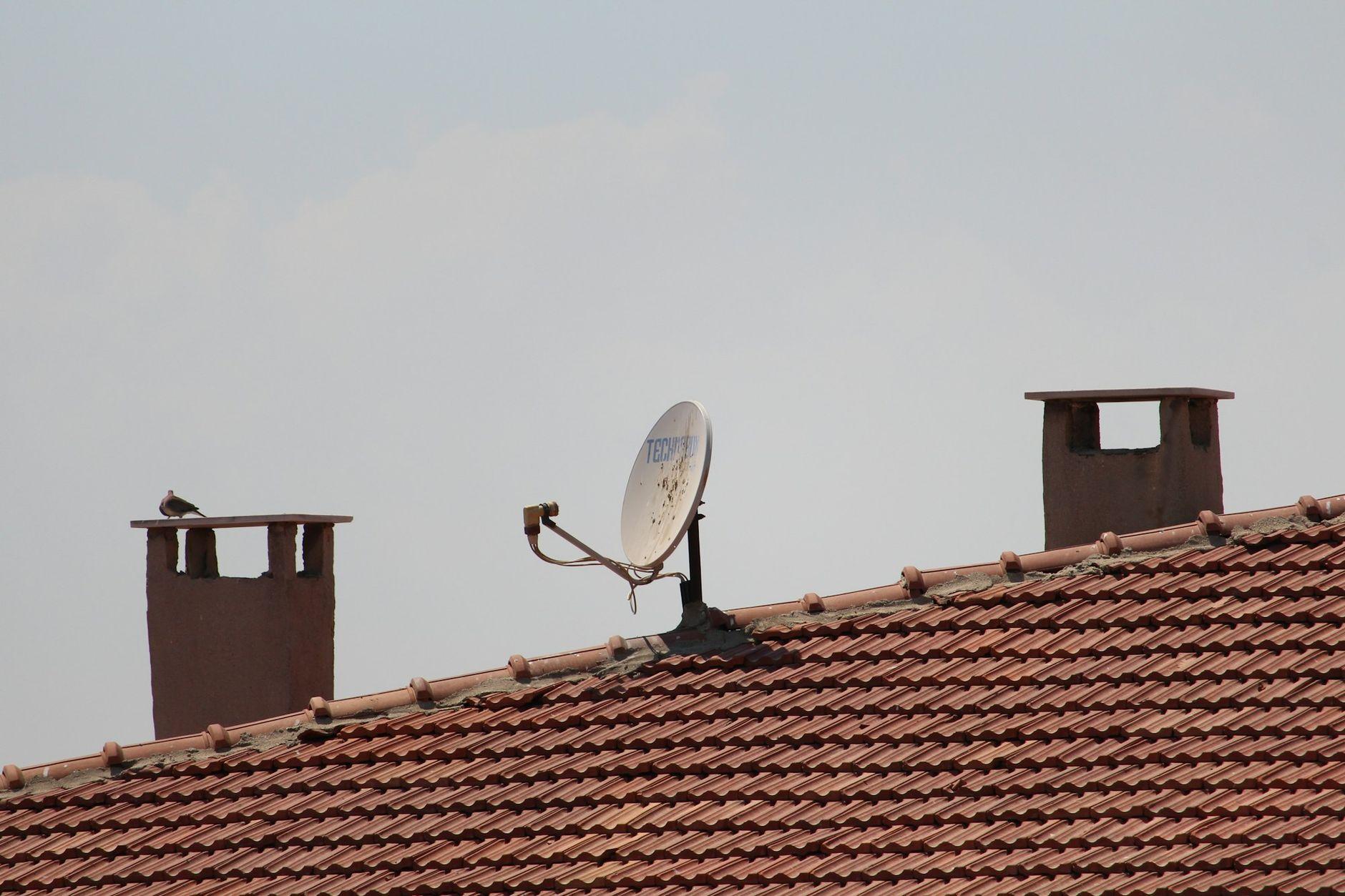
Rebuilding deals with the masonry. If the stack above the roof is loose, leaning or cracked through, the brick is taken apart until we reach courses that are solid, then laid back up with new mortar, a new crown and new flashing where it meets the roof. In south Orange County the section above the roofline is the part that most often needs it, because it takes the weather and swings hardest when the ground shakes.
A rebuilt top usually gets a liner as well. New brick around old cracked tile still leaves a cracked passage below.
On a sale, the order matters. Buyers and sellers in San Juan Capistrano often want one figure for the whole chimney, and the footage lets us give the reline and the rebuild as separate lines, so either side can see what each repair costs and agree who pays for which.
Side by side
| New liner | Rebuild the top | |
|---|---|---|
| What it fixes | The passage inside | The brick structure |
| Worked from | The roof, down the flue | Roof or scaffold, course by course |
| Effect on roofing | Barely any | Flashing and roofing around the stack redone |
| Suits | Cracked or open tile in sound brick | A loose, leaning or broken stack |
| Often paired with | A new cap | A liner and a new crown |
What decides the price
Neither path has a published figure on this site, because both turn on what the camera and the roof show. For a liner: the height, the diameter the appliance calls for, flexible or rigid pipe, insulation, and the work at the top and bottom. For a rebuild: how many courses come off, brick and mortar to match, the crown, the flashing, and how hard the roof is to work on. A few related items do carry prices: a roof saddle at $425 to $960, and a saddle with new flashing at $640 to $1,600. A cap is quoted after we measure. The camera scan that starts it all is $370.
Ask for the scan and say whether you plan to burn wood, gas or nothing at all, and we will write up the reline, the rebuild or both, each with its own figure.
About patched stacks
The 1994 quake and the smaller jolts since then left plenty of brick chimneys in Southern California with a crack near the roofline. Many have been patched with mortar smeared over the joint. On the camera, the tile behind that patch often shows the matching break. A patch hides the crack; it does not tie the brick back together. If your chimney has a visible patch line, have it scanned before the next fire. Our seismic retrofit page covers the bracing options for stacks that stay up.
Which one we recommend
We recommend the smallest job that leaves you with a sound passage and a stack that will stay put. When the brick is good, that is a liner. When the brick has moved, we say so and show you the frames that tell us. If both are needed, the write-up keeps them apart so you can see the cost of each and decide on timing.
Homes in San Clemente and Dana Point that sit close to the water add one more factor: damp salt air is hard on old mortar, so we look closely at the joints of any stack within sight of the ocean.
More on chimney rebuilds, liner installation and staged repair plans.
Next
The footage settles which repair your flue needs. Arrange a scan through the contact page and you will have both paths priced from the same visit.
See the Flue Before You Decide
Beckham Chimney Experts sends a camera up the full run, writes up each fault with stills and prices every fix on its own line. We work from San Juan Capistrano across San Clemente, Laguna Niguel, Mission Viejo and nearby Orange County cities.