An insert breathes through the old chimney
A sealed gas insert does two things through the old chimney at once. It pulls outside air down to the burner, and it pushes exhaust up and out. Both happen inside new pipe, not in the old clay. That is why the flue you already have matters so much to the job, even though none of its tile will carry exhaust once the insert is in.
We fit gas inserts across San Juan Capistrano and the nearby cities, and almost every visit starts with a tape at the firebox and a camera at the top of the stack. This post covers what we size, what we look for on the screen, and the installed range.
The two-pipe system
Most gas inserts sold today are direct vent. Rather than burning room air, they work through a sealed pair of pipes, and there are two ways to run them up a masonry chimney:
- Co-linear. Two separate flexible liners side by side, one for exhaust and one for intake. The flue needs room for both.
- Co-axial. One pipe inside another. Exhaust rises through the middle and intake air comes down the space around it. Some units call for it where the flue is tight.
The insert's install manual lists which arrangement it takes and the pipe diameters. We do not pick those by eye. A pipe too narrow chokes the burner. A run that is too long, or has too many bends, can starve it of air, and the flame turns lazy and sooty.
What we measure
At the fireplace:
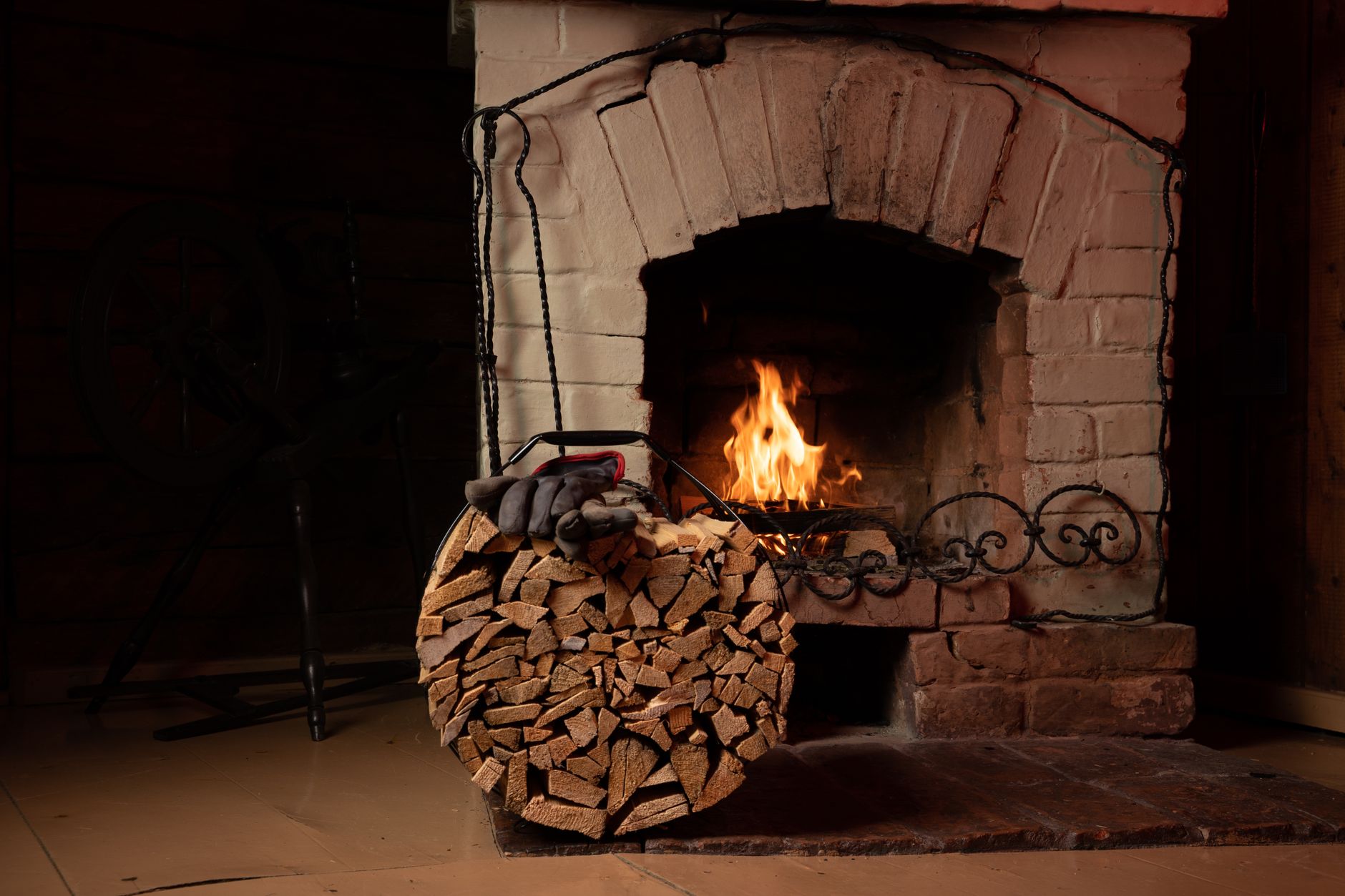
- the width of the firebox at the front and at the back, plus its height and how deep it goes, because inserts are tapered boxes and the back width is often the limit;
- the damper, which normally gets removed to make way for the pipes;
- the hearth slab, and how many inches separate the opening from the mantel shelf or nearby wood moulding;
- where the gas supply is, and whether a valve already sits at the hearth.
At the top of the chimney:
- the inside size of the flue tile, which decides whether two liners fit side by side;
- the height from the smoke chamber to the crown;
- the crown and the cap, since the liners end in a top plate fixed to that crown.
What the camera has to clear first
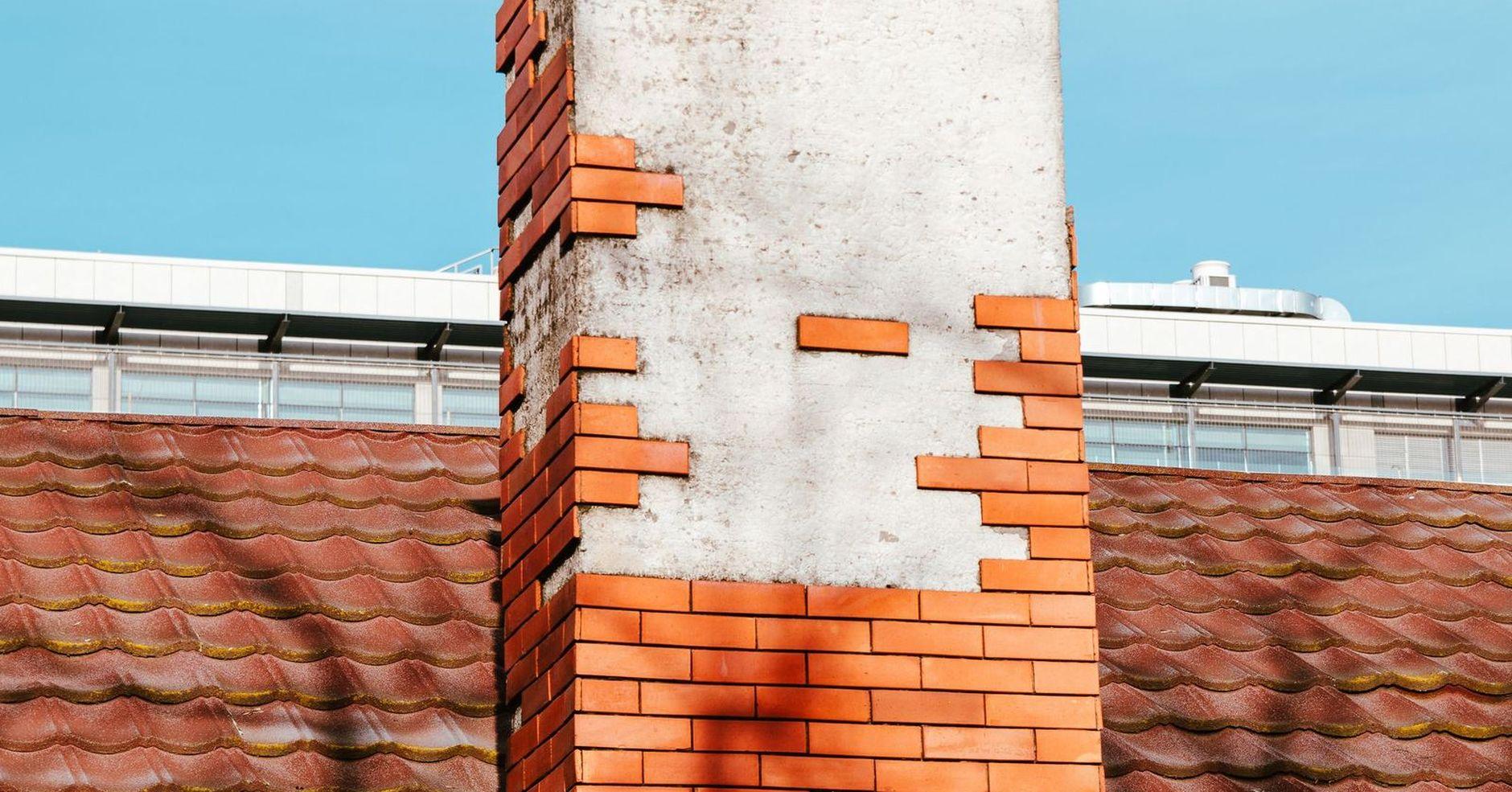
The old flue will not carry exhaust after the insert goes in, but it still has to give the new pipes a clear path. On the screen we look for fallen tile, a thick crust of old creosote that narrows the passage, bird nests, and offsets where one section has shifted off the next. An offset can stop a co-linear pair partway down. If we see one, the plan changes to co-axial pipe, a different unit, or work on the flue first.
Because a gas insert is a change of appliance, NFPA 211 expects the deeper Level 2 inspection before the install, and we fold it into the planning. If the chimney has burned wood for years we sweep it, so the new liners are not dragged through soot.
What decides the price
A gas insert fitted to your present firebox runs $2,650 to $5,300 installed. That covers the unit, the venting up the chimney, the surround panel that closes the gap at the opening, the gas hookup and lighting it with you. Where your job lands inside that range comes from:
- the size and model of insert your firebox can take;
- the height of the chimney, which sets the length of each liner;
- co-linear or co-axial pipe, set by the unit and the flue;
- the distance from the gas supply to the hearth;
- whether the old damper frame needs cutting out.
Separate items, listed apart: the Level 2 scan at $370, sweeping from $400, and a new cap quoted on site if the kit's own cap does not suit your crown. Custom and oversized caps are priced to the job. Crown or masonry repairs found on the scan go on their own line with a figure we write once we have seen them.
Give us the width of the firebox opening and how tall the chimney stands, and we will set up a measuring and camera visit for a written figure.
If the chimney is factory built
Many houses in Laguna Niguel, Mission Viejo and the newer tracts around San Juan Capistrano have a metal fireplace box with a metal flue inside a wood chase rather than a brick chimney. Not every factory-built fireplace is listed to take an insert. We read the label plate inside the box. If it is not listed for one, the honest options are a log set made for that unit, or taking the old box out and setting in a gas fireplace designed for the space. We tell you which applies before any figure is written.
When a new spot makes more sense
Some owners want heat in a room that has no fireplace at all. A sealed gas fireplace framed into such a room, venting through an outside wall or the roof, is a separate project on this site at $4,250 to $8,550. It skips the old chimney completely, which can be the better answer where the flue is badly damaged.
After install day
You keep the manual, a venting record with pipe sizes and lengths, and the Level 2 report with stills of the flue before the liners went in. Those three papers answer most questions a future buyer's inspector will ask.
More on fireplace inserts and what a stainless liner costs.
Next
Every gas insert we fit begins with a tape at the firebox and a camera at the top of the chimney. Ask for that visit on the contact page.
See the Flue Before You Decide
Beckham Chimney Experts sends a camera up the full run, writes up each fault with stills and prices every fix on its own line. We work from San Juan Capistrano across San Clemente, Laguna Niguel, Mission Viejo and nearby Orange County cities.