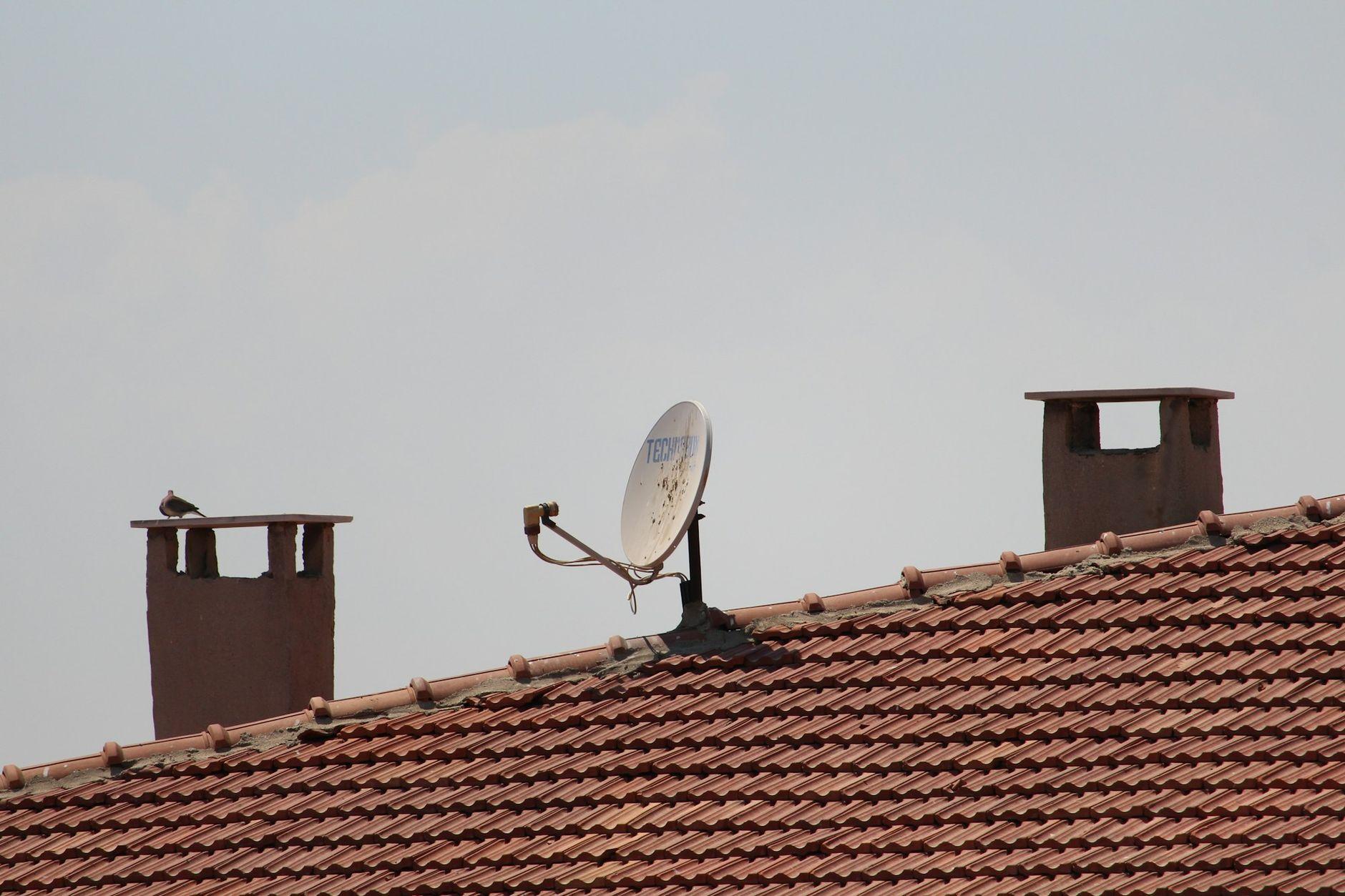
The part of the house nobody else films
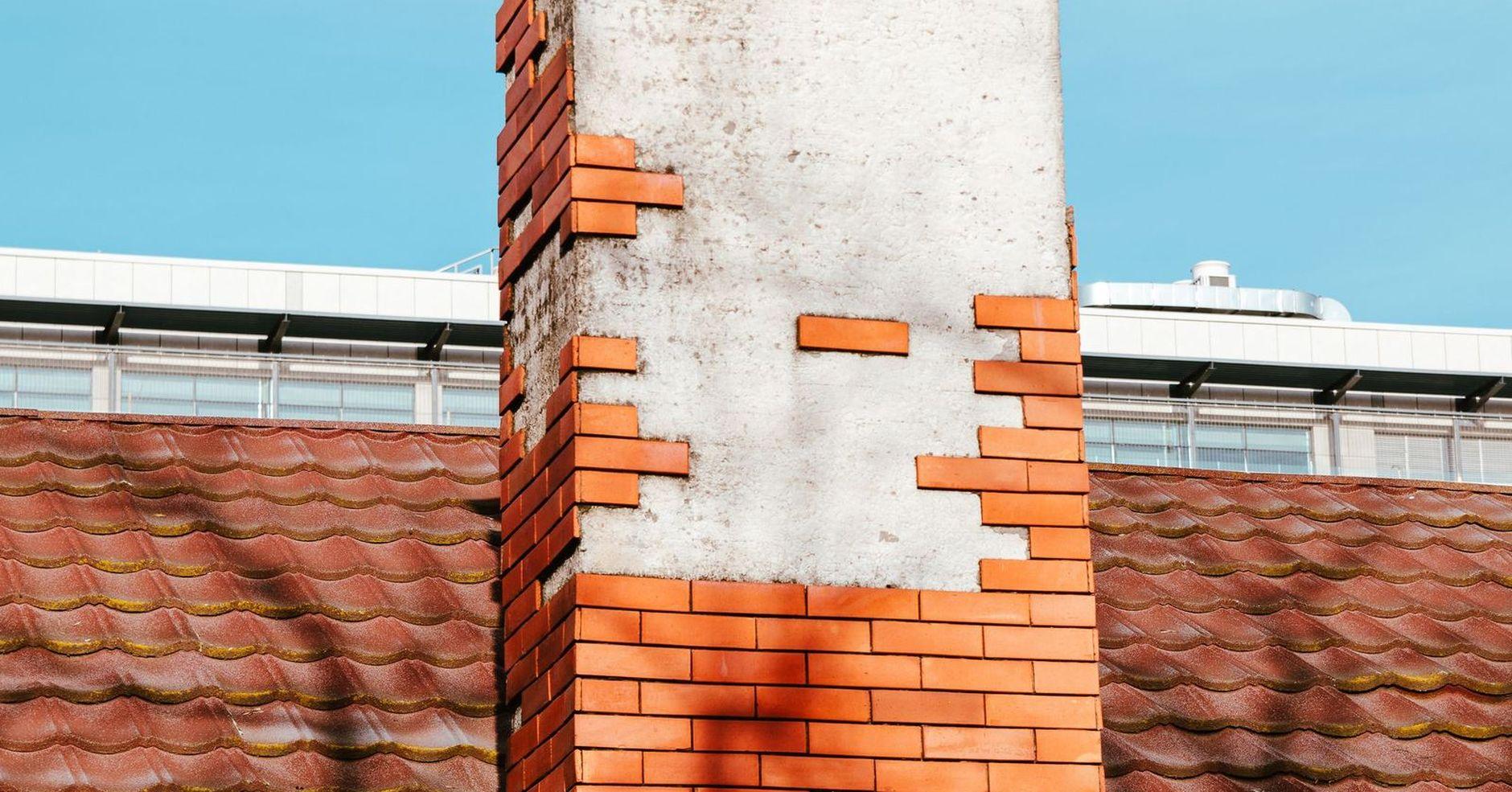
During a purchase the house gets looked over by a lot of people. The general inspector walks every room, a roofer may climb up, the pest inspector crawls underneath. The flue is the one passage none of them can see into. It is a dark shaft about a foot across and twenty or thirty feet tall, and the only way to judge it is to put a camera inside and watch.
That is the job we do for buyers in San Juan Capistrano, San Clemente, Laguna Niguel, Mission Viejo and the cities around them. This post explains what the scan shows, what it costs, and how its findings turn into something you can use in the deal.
Why a purchase calls for the camera
NFPA 211, the standard most chimney work in the country is measured against, describes three depths of inspection. The first is a look at what is open to view. The second brings in video of the inside of the flue, plus the attic and crawl space where the chimney passes. The third involves opening up the structure, and it is rare. A sale is one of the events the standard ties to the second depth, because the buyer has no history to go on: no record of how hard the fireplace was used, whether it was swept, or what the last earthquake did to it.
The Level 2 scan is $370 on this site. A visual check on its own is $160, which can be the right start for a house that is staying in the family. For a purchase we suggest the scan.
What the video shows
The camera goes in from the top or the bottom, depending on the chimney, and records as it moves. On the screen you see:
- Tile joints, one after another. Open joints show as dark lines where the mortar has gone.
- Cracks across or along a section, often near the top where heat and weather hit hardest.
- Shifted sections, where the shaft steps sideways. Past earthquakes are a common cause.
- Deposits: soft soot, flaky creosote, or a shiny tar coat that tells us the fireplace was burned hard with the damper nearly shut.
- Blockages: nests, fallen tile, rubble from a crown breaking up.
- Water: staining and white bloom on the tile, which points to rain getting in from above.
For a factory-built fireplace, the camera follows the metal flue and looks at the joints between pipe sections and the firestops where it passes each floor.
We also go over the firebox, damper and smoke chamber, the crown, cap and flashing on the roof, and the chimney where it runs through the attic.
How the findings feed the deal
The report pairs each fault with a still frame, notes where it sits in the flue, and says in plain words what it means for using the fireplace. That format is built for a repair request. A buyer's agent can lift a finding straight into an addendum and ask the seller to fix it or knock the cost off the price.
Where the fix has a published price on this site, the report gives it:
| What the scan found | The usual fix | Our figure |
|---|---|---|
| Water getting into the flue from the roof | Find the entry point and seal it | $530 to $3,200 |
| Wide stack collecting debris on its high side | Roof saddle behind the chimney | $425 to $960 |
| Saddle needed and the old metal worn out | Saddle with new step and counter pieces | $640 to $1,600 |
| Cracked tile, open joints, offsets | Liner | written figure after the scan |
| Broken crown | Seal or recast | written figure after the scan |
No cap, or one rusted through, means a new stainless cap. It is quoted after we measure.
What decides the next step
Three things decide what you do once the report is in: whether the fireplace burns wood or gas, whether you plan to use it at all, and how long the repair list is. A gas log set in a sound flue may need nothing. A wood fireplace with cracked tile needs a liner before anyone lights it.
Send the address and the date your inspection period ends, and we will book the scan and send the report to whoever you name.
If you live somewhere else
Many buyers in San Juan Capistrano are moving in from out of the area. You do not have to be on site. Your agent arranges entry, we do the scan, and the report with video and stills arrives by email to you and anyone on your list. If you want to see the footage with someone explaining it, we can go through it on a call.
Gas, wood and the factory-built boxes
A good share of the houses we scan in south Orange County were built in the 1970s and 1980s with factory-built fireplaces, and many have since been converted to gas logs. Buyers sometimes assume a gas fireplace needs no chimney check. It does: the exhaust still rises through that metal flue, and a crushed section, a missing cap or a loose joint matters just as much. Older masonry fireplaces in the historic parts of town get the same scan, tile by tile.
If the house has more than one fireplace, each flue is filmed on its own and gets its own section in the report. Two fireplaces sharing a chimney can be in very different shape: one swept and sound, the other glazed with tar or cracked near the top.
Read more about our Level 2 inspection and the home sale inspection page.
Next
Before the inspection period runs out, get footage of the flue you are about to own. The contact page is where to arrange it.
See the Flue Before You Decide
Beckham Chimney Experts sends a camera up the full run, writes up each fault with stills and prices every fix on its own line. We work from San Juan Capistrano across San Clemente, Laguna Niguel, Mission Viejo and nearby Orange County cities.